The menu tasting is one of the most fun moments of planning a wedding, but also one of the most operationally important. It's the last chance before the day to adjust flavors, confirm decisions, and see the team in action. Here's our guide on how to get the most out of it.
When to schedule it
Ideally between 3 and 4 months before the event. Too early and seasonal ingredients may change. Too late and there's no margin for important menu or logistical adjustments. If you're coming from abroad, coordinate the tasting with an in-person planning visit to maximize your time.
Who should come
The couple, always. Optionally your wedding planner and, if there's someone with decision-making influence (parents contributing financially, for example), including them can prevent conflicts later. Avoid large groups: more than four people turns the tasting into a social dinner and you lose focus.
What exactly gets tasted
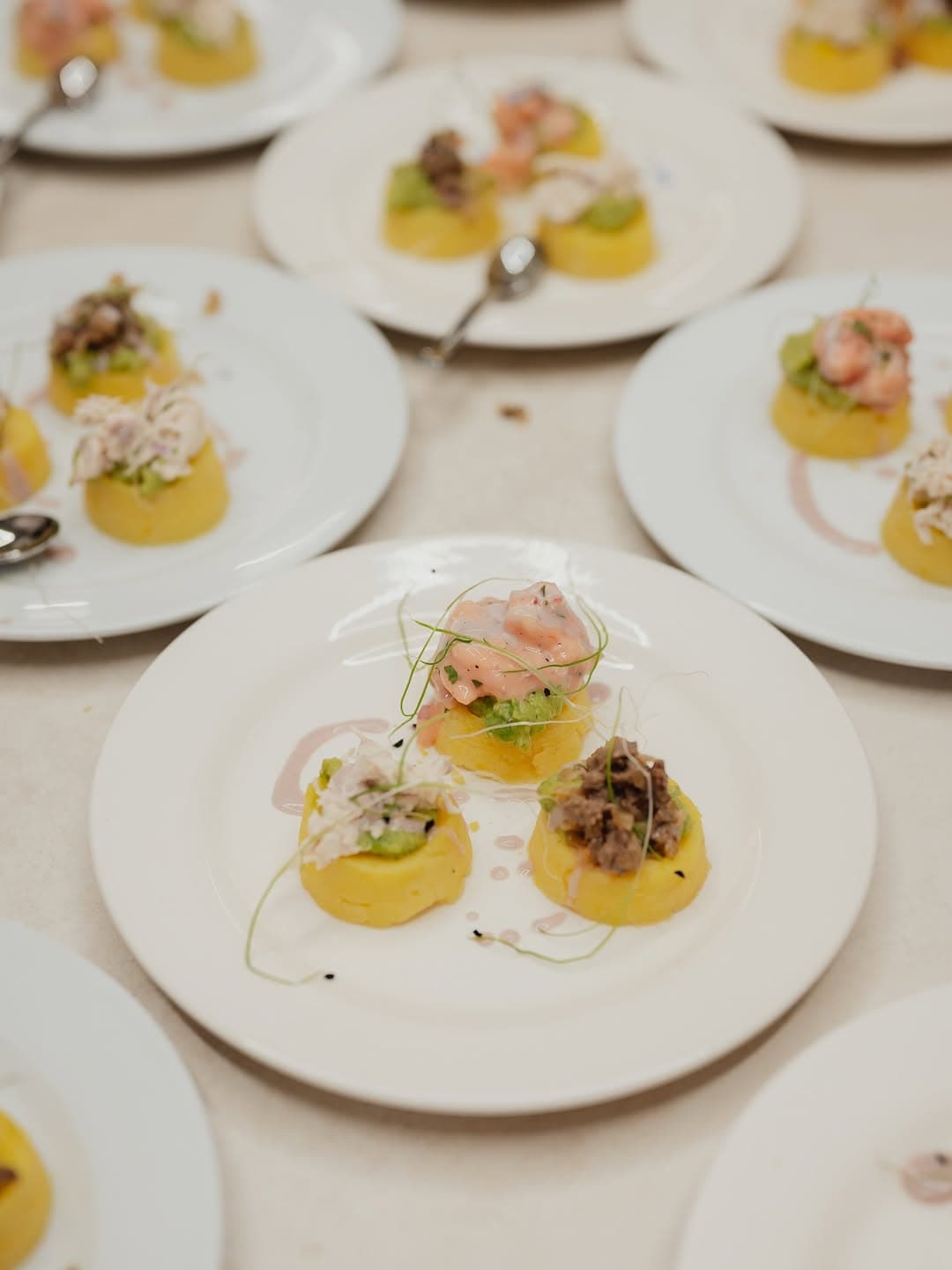
In a serious tasting you should try: two or three appetizer options, two or three main course options, the main dessert (and alternatives if you have doubts), a couple of bar cocktails, and a sample passed bite if the format includes a welcome cocktail. It's not a full dinner for six guests: they're testing portions meant for evaluation.
How to evaluate well
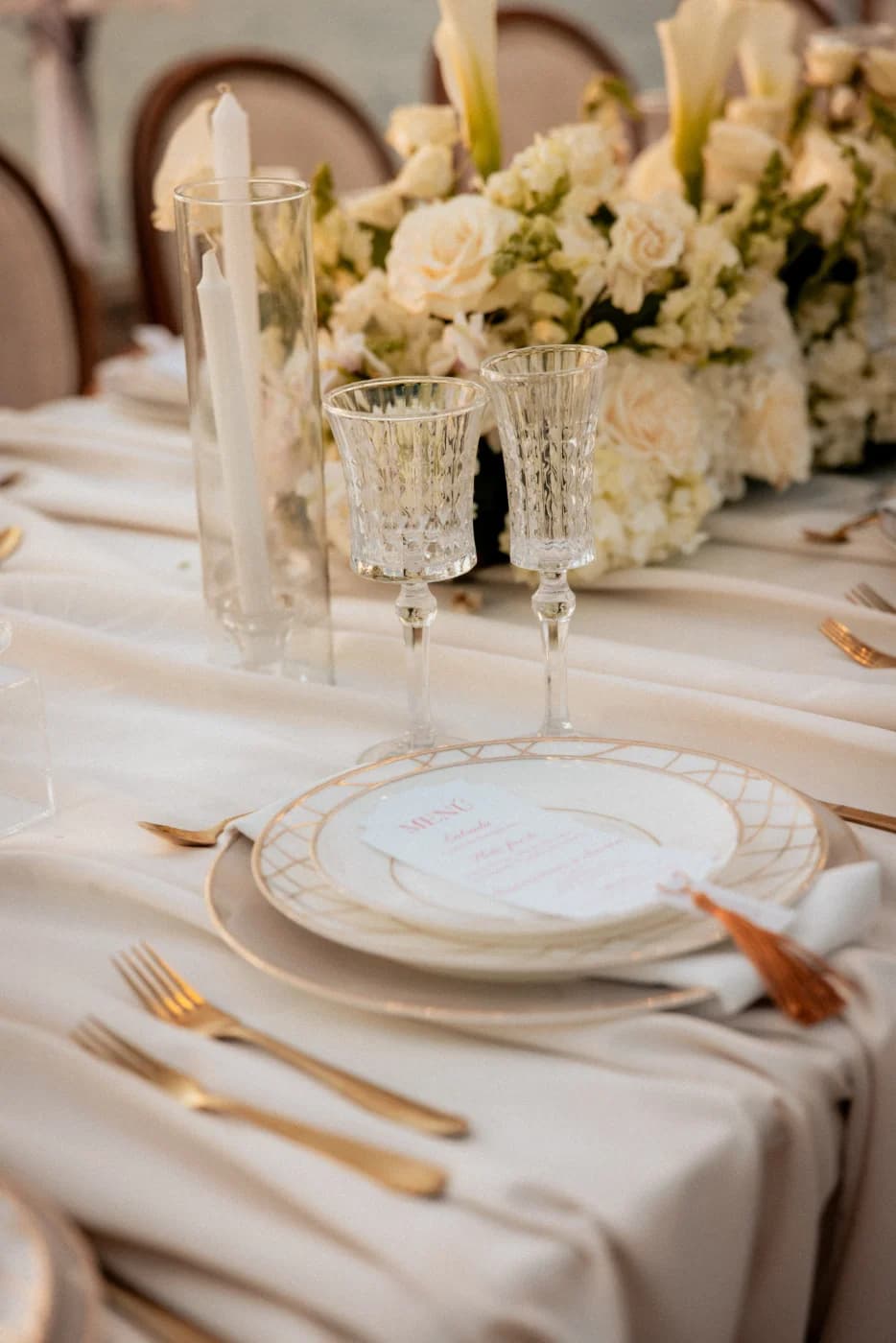
Bring a notebook or use notes on your phone. For each dish evaluate: flavor, temperature on arrival, presentation, portion, and how you feel after the first bite (important for long dinners). Ask to see how the dish looks on the actual tableware you'll use on the event day, not just on the tasting plate.
What to ask
How temperature is maintained for 160 guests versus a tasting for four. How the dish adapts for guests with dietary restrictions. What happens with delicate desserts in Cartagena's heat. How many cooks will be at the event. What happens with changes you request after the tasting: are they possible, do they have additional cost, is there a deadline?
What decisions to make at the tasting
Final menu selection (appetizers, mains, desserts). Specific flavor adjustments: saltier, less sweet, more acidic. Signature cocktails for the event. Service style if still open (plated vs family-style vs stations). Ask for a written summary of everything decided before you leave, to avoid misunderstandings later.
The follow-up
Your caterer should send you a tasting summary within 48 hours with: final confirmed menu, agreed adjustments, any price changes (if any), and next steps. If it doesn't arrive, ask for it. A clear follow-up is the sign of an organized team.